

This store requires javascript to be enabled for some features to work correctly.




This site is protected by hCaptcha and the hCaptcha Privacy Policy and Terms of Service apply.


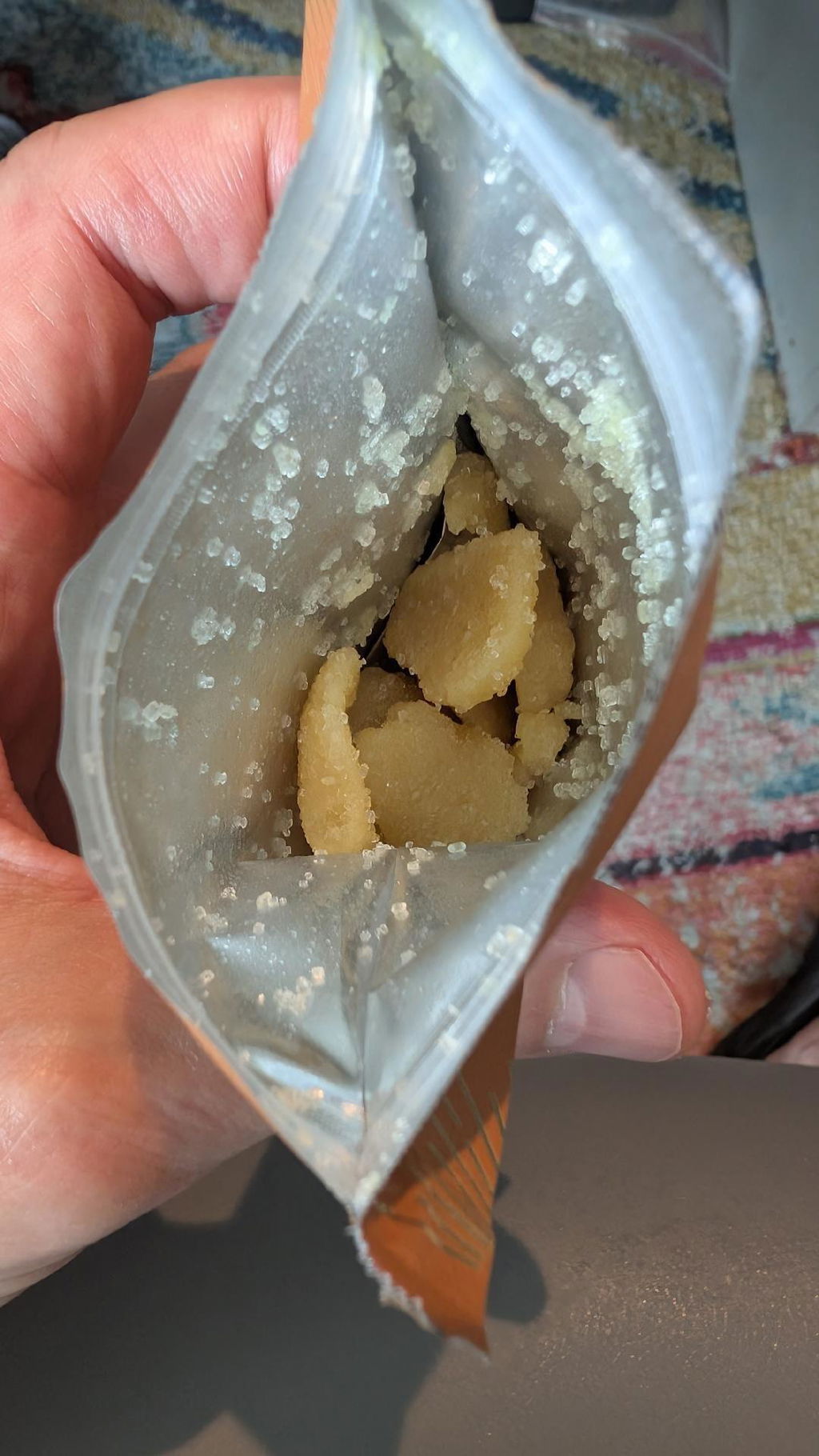
Below, you'll find some typical scenarios in which we’ve found Kava to be most beneficial, as well as recommendations for dosage, interactions, contraindications, and Kava's method of action. Dosage, Latency, Duration We recommend starting with a therapeutic dose of 50 mg, taken 1-3 times a day, and gradually adjusting the dosage based on your individual needs and sensitivity. The effects of Kava gummies typically set in within 15 minutes and can last up to 4 hours, allowing you to plan your experiences accordingly. Usage Scenarios FEELING TENSE Calming the Body and MindIf you're feeling tense, stressed, or experiencing physical discomfort, our Kava gummies can be a powerful ally in promoting body calming and relaxation. Kava's anxiolytic and mild sedative properties make it ideal for unwinding after a long day or when you...
Read More
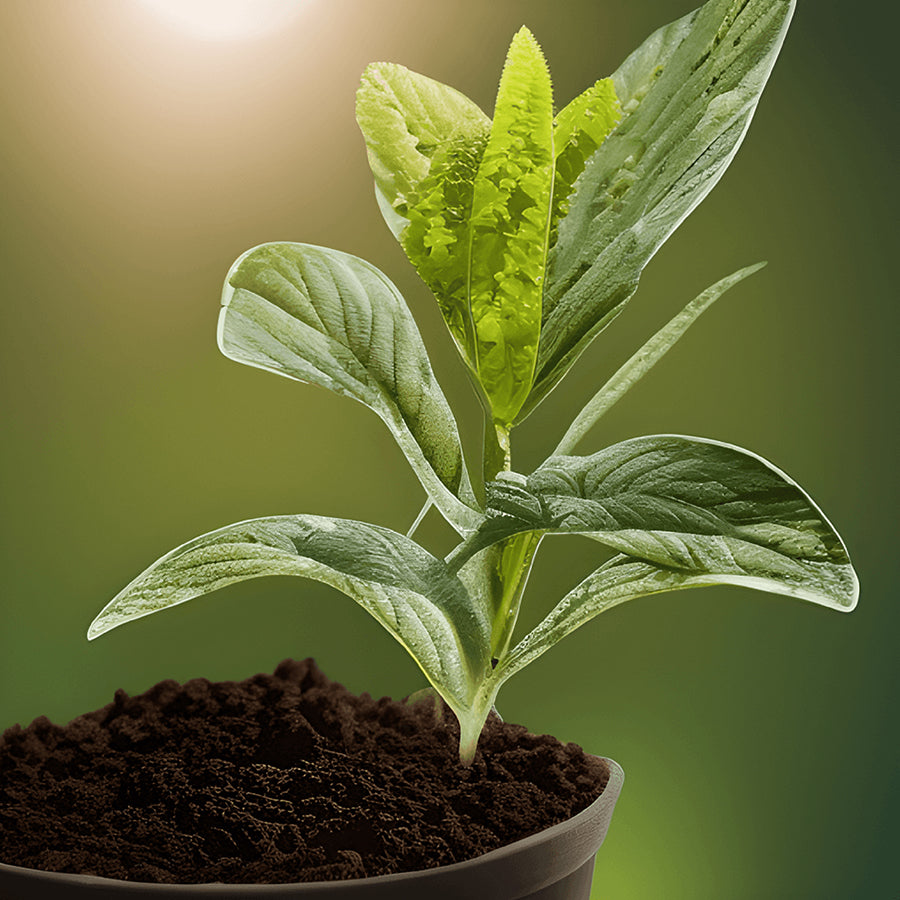
Kava, scientifically known as Piper methysticum, is a plant that thrives in the tropical climates of the South Pacific islands. Its cultivation and harvesting are integral to producing the high-quality kava used for its therapeutic and recreational purposes. Here’s a detailed look at how kava is grown and harvested: Growing Kava Climate and Soil: Climate: Kava plants flourish in warm, humid climates with temperatures ranging from 21°C to 27°C (70°F to 80°F). It requires ample rainfall, ideally between 2,000 to 3,000 millimeters annually. Soil: Kava grows best in well-drained, fertile soil with a pH range of 5.5 to 6.5. The soil should be rich in organic matter to support healthy root development. Planting: Propagation: Kava is typically propagated through stem cuttings rather than seeds. Mature stems from healthy ...
Read More

The debate over kava centers on its safety, efficacy, and regulatory status, particularly in relation to its use as a natural remedy for anxiety, stress, and insomnia. Here's a detailed look at the key points of contention: Safety Concerns Liver Toxicity: One of the most significant concerns surrounding kava is its potential to cause liver damage. Reports of hepatotoxicity, including cases of liver failure, have led to bans and restrictions in several countries, including Germany, the UK, and Canada. Studies suggest that improper processing methods, such as using the leaves and stems instead of just the root, might contribute to these adverse effects (Verywell Health) (Advances in Motion). Quality Control: The safety of kava products can vary widely due to differences in cultivation, processing, and preparation. High-quality k...
Read More
